
 Australian Dollar
How to Improve Your Home With Lighting Design
Posted by Renovator Mate on 31 May 2018
(Lighting technology has come a long way since Thomas Edison created the first “light bulb.” Since then, advancements in technology have allowed homes to feature energy-efficient lighting designs, like new LED lighting technology that improves both the quality and value of a home.
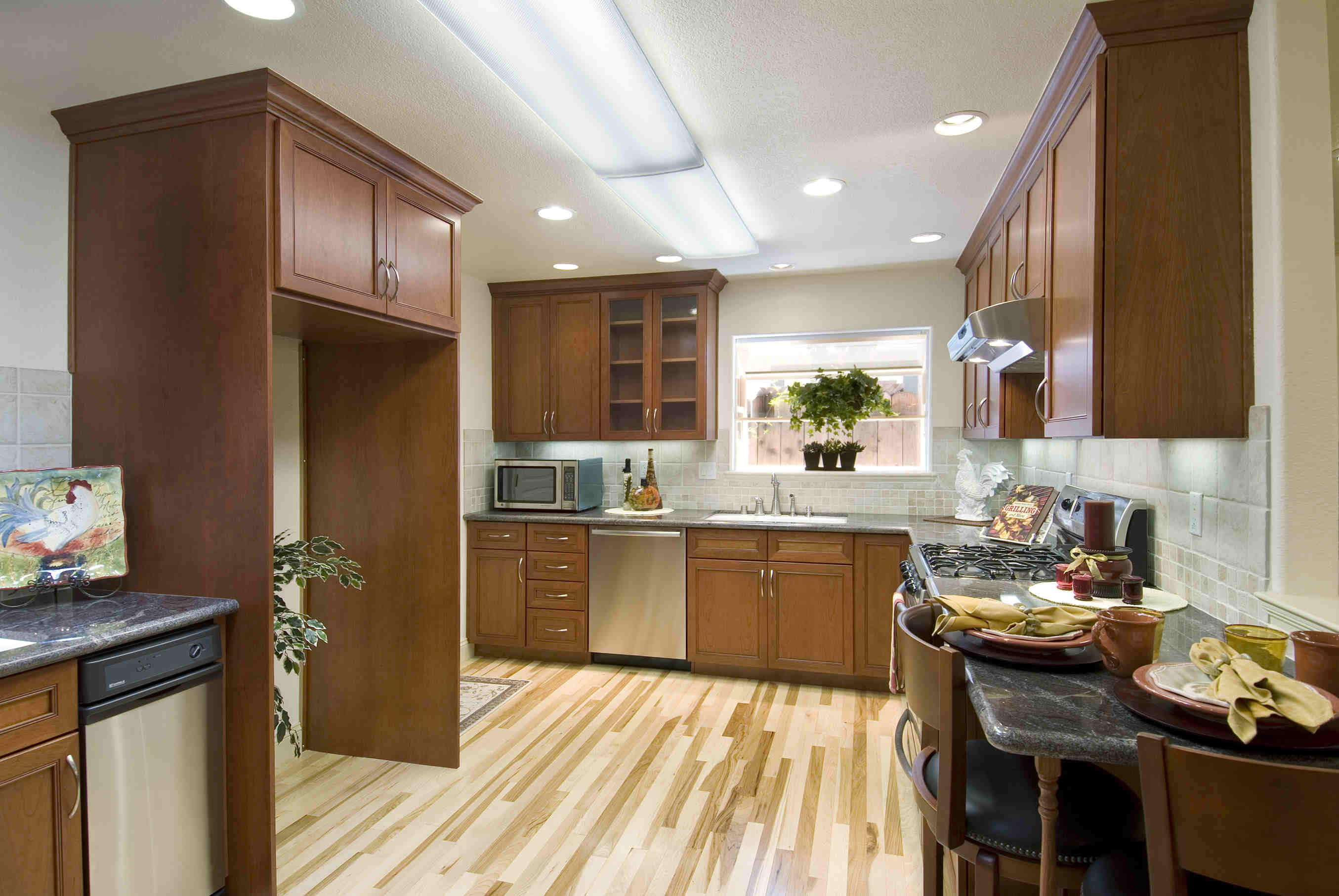
To achieve the optimal lighting effect throughout your home, it’s important to factor in lighting systems throughout the design. This may include designing lighting systems to address lighting issues in specific rooms or areas, landscape and exterior architectural lighting, or a complete home remodel for new or existing homes.
When undertaking a remodel of your home’s lighting system, it’s wise to keep certain things in mind. Your lighting needs will be determined by:
- Your home’s architectural and structural design
- Use of space
- Personal habits
- Tastes in décor
- Budget.
To light your house the right way, keep these tips and considerations in mind.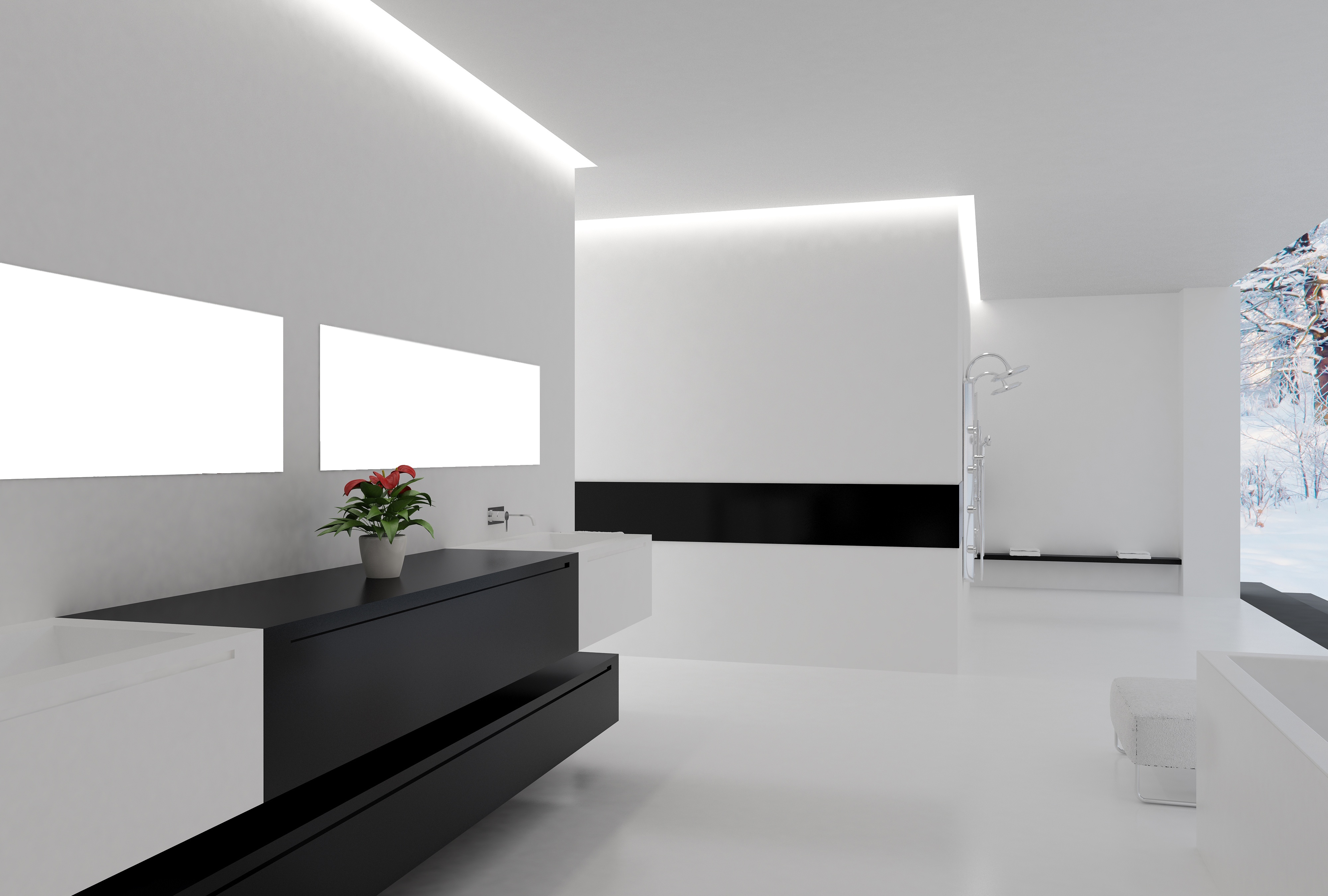
The Use of Natural Light
Whenever possible, your improved lighting design should incorporate natural light. Natural light will have several purposes in the design of your lighting system — be they economic, health, ambience, or to augment your lighting system.
Maximizing the role of natural light throughout your home can make rooms and areas in your home bright and purposeful during the day and night.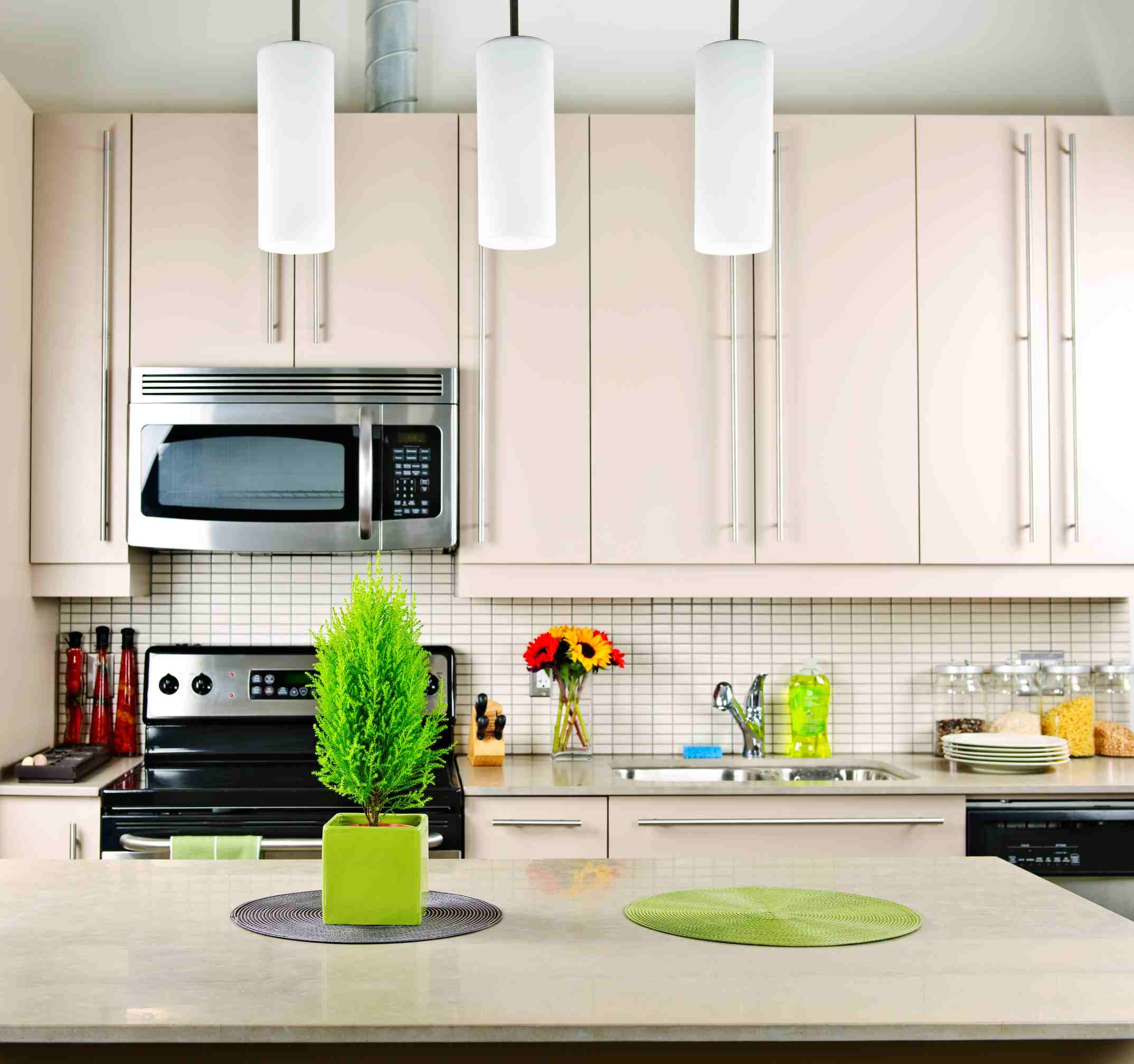
Consider Structural and Architectural Design Elements
The wide range of lighting options available today may make it difficult for some homeowners to decide what lighting system will work best with their space. Without careful consideration of your home’s design elements, the wrong lighting system will be installed in a room or area creating shadows and glare, diminishing your home’s appeal.
While this is seldom done, it’s still something to consider. Before tackling a lighting project, create a thoughtful lighting design by looking to others. Ikea, for example, is a great place to go to get an idea of how certain lighting fixtures work in specific settings.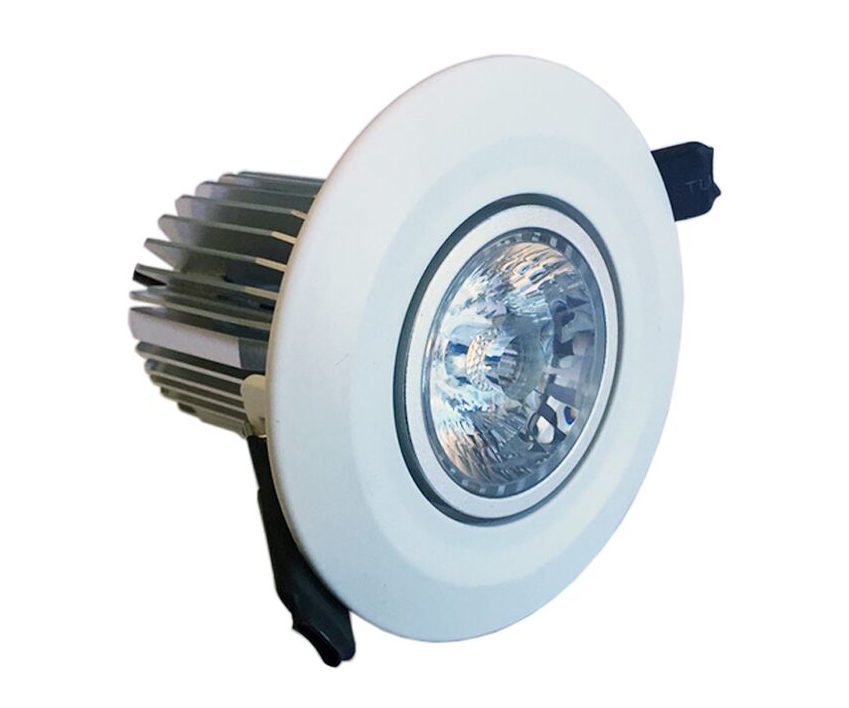
The type of furniture and its arrangement in a space will play a role in the type of lighting system your space will require to enhance your home’s overall architectural and structural design. Choose fixtures that complement the room’s décor. If your space is rather minimalist, for example, select modern fixtures for their simplicity.
Table lamps will be beneficial in rooms like your home’s entryway and living room. Overhead chandeliers can enhance the look and feel of your dining room while ornate LED sconces will make a bathroom or bedroom feel cozier.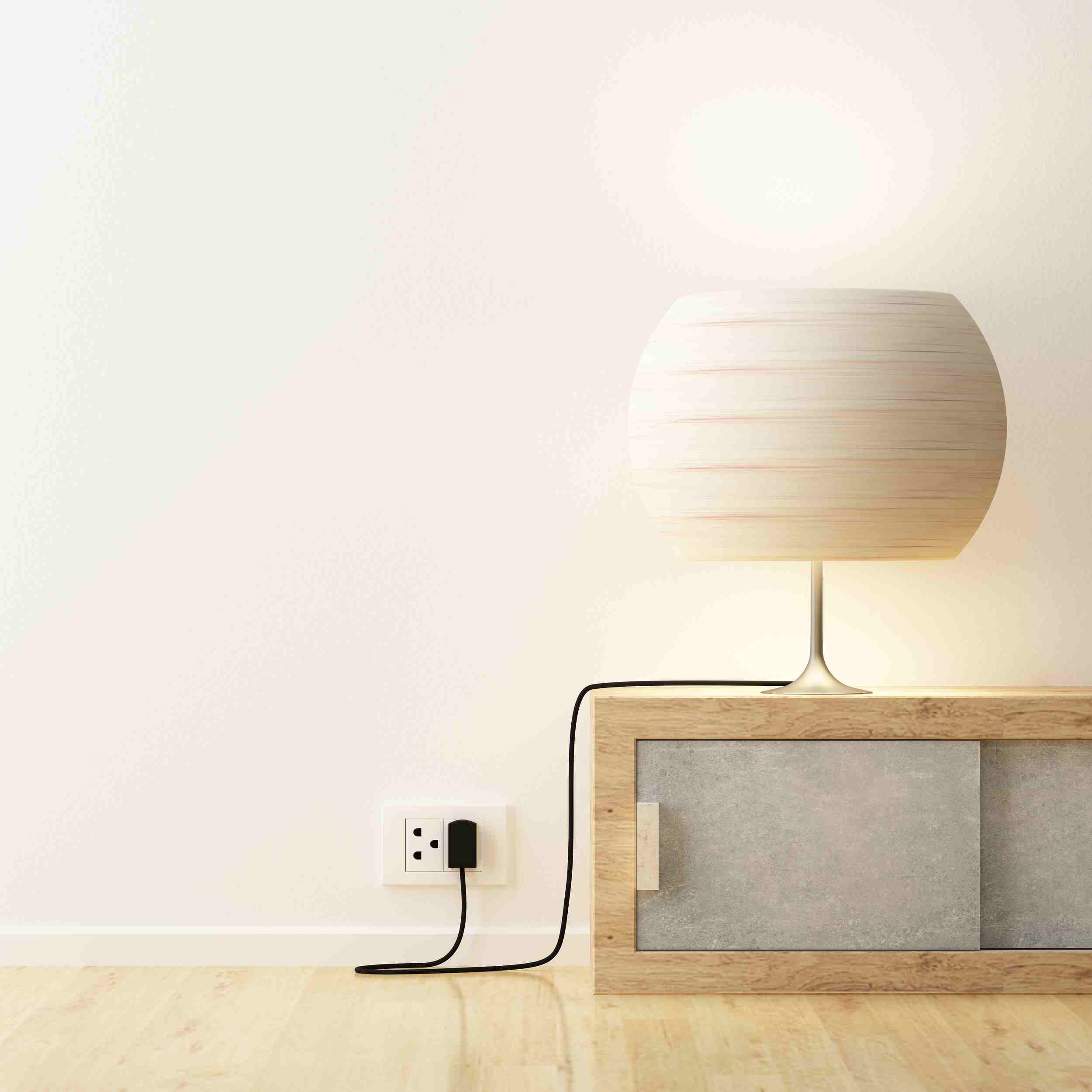
Think About Different Types of Light
When it comes to your home’s interior, there are three major types of lighting systems that can effectively improve your lighting design. Task, accent, and ambient lighting all play specific roles in creating a pleasant atmosphere in rooms within your home.
Task lighting works best in spaces throughout a room where functionality is required. Rooms like kitchens and home offices will require task lighting to carry out specific tasks. Accent lights are essential elements to highlight certain aesthetic features in a room or area.
Accent lighting can add drama and stylish beauty to a space, creating focal points in a room to accentuate its design elements.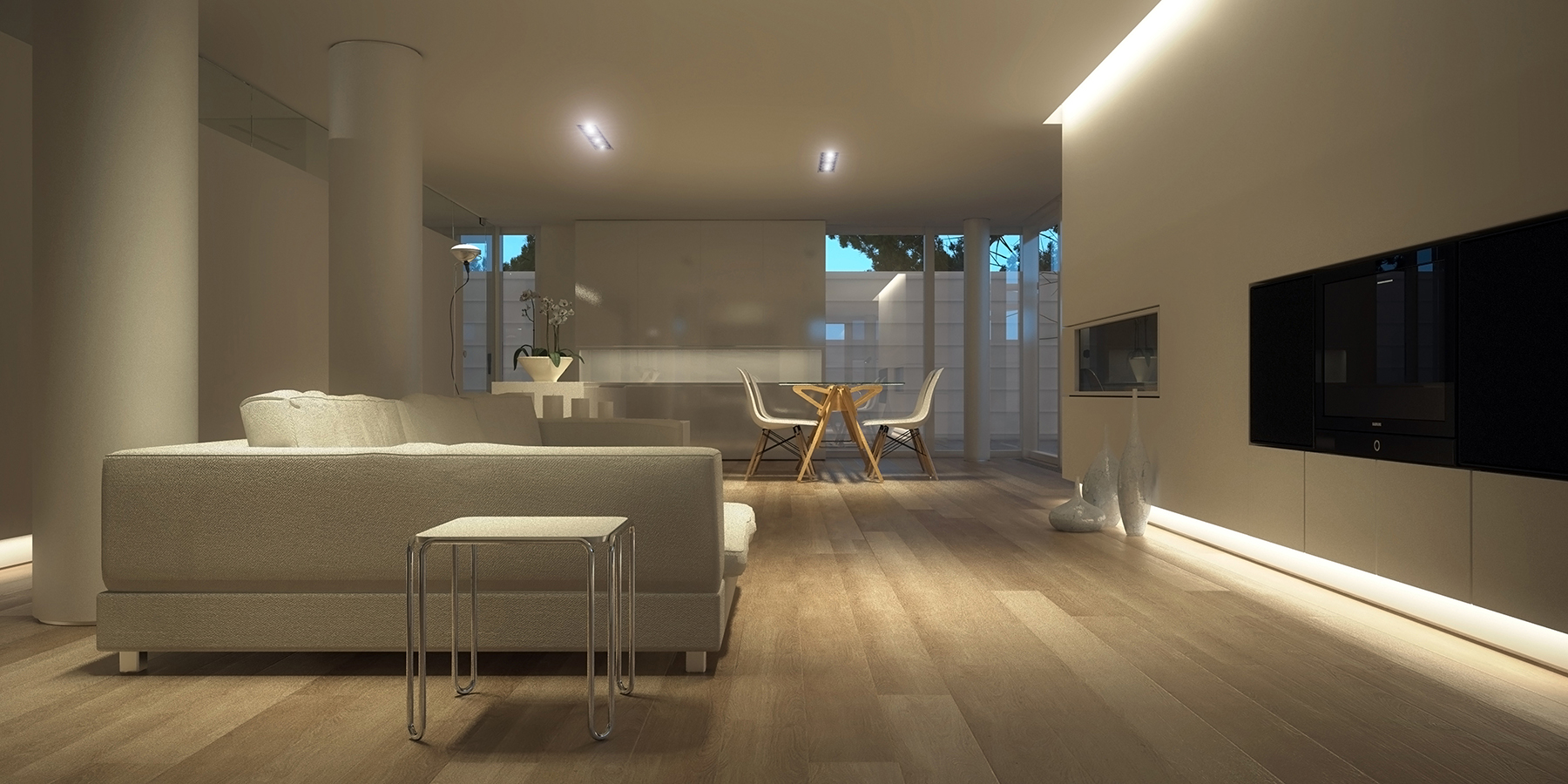
Ambient lighting is also known as general lighting as it provides overall light to a space. Chandeliers, ceiling fixtures, and other overhead lights are examples of ambient lighting.
To effectively improve lighting design in any space, consider using lights in layers. Incorporating task, accent, and ambient elements in a room will achieve different effects and create spaciousness.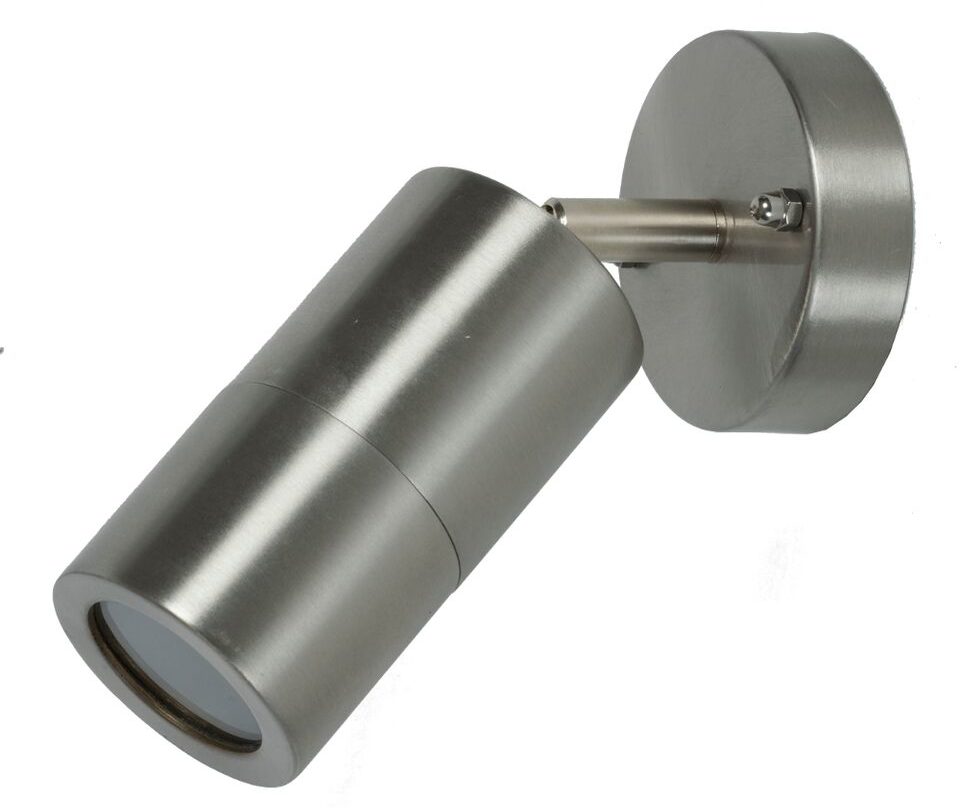
Use of Space
To accomplish an improved lighting design that works in every room in your home, consider how each room is being utilized.
Generally, living rooms are spaces where people engage in activities for long periods of time (watching TV, reading, etc.).
- Kitchens are a multifunctional space, a gathering spot for many families and where cooking occurs.
- Bedrooms should accentuate the feeling of warmth, as the primary concerns for bedrooms are to wake up well-rested for the next day.
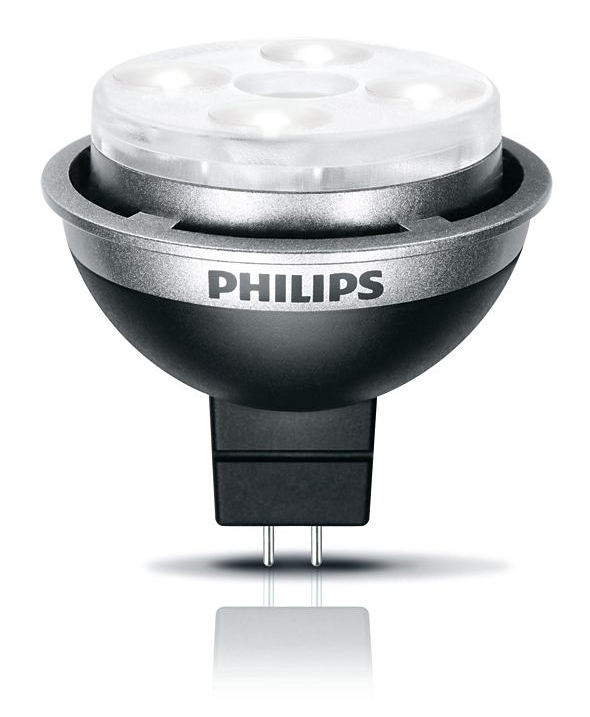
Each of these rooms will require a certain amount of lumens, or how bright light fixtures are, to illuminate an area, room, or space.
If ambient lighting is installed in a bedroom, it should be 200-300 lux for optimal effect. Task lighting in living rooms will be required to have a minimum of 400 lux to reduce eye strain. And kitchens should have ambient lighting in the range of 300-400 lux and task lights with 500 lux at a minimum.
Installing dimmers over existing switches adds versatility to a room, creating a lighting design that is customizable to a room’s needs and desired mood.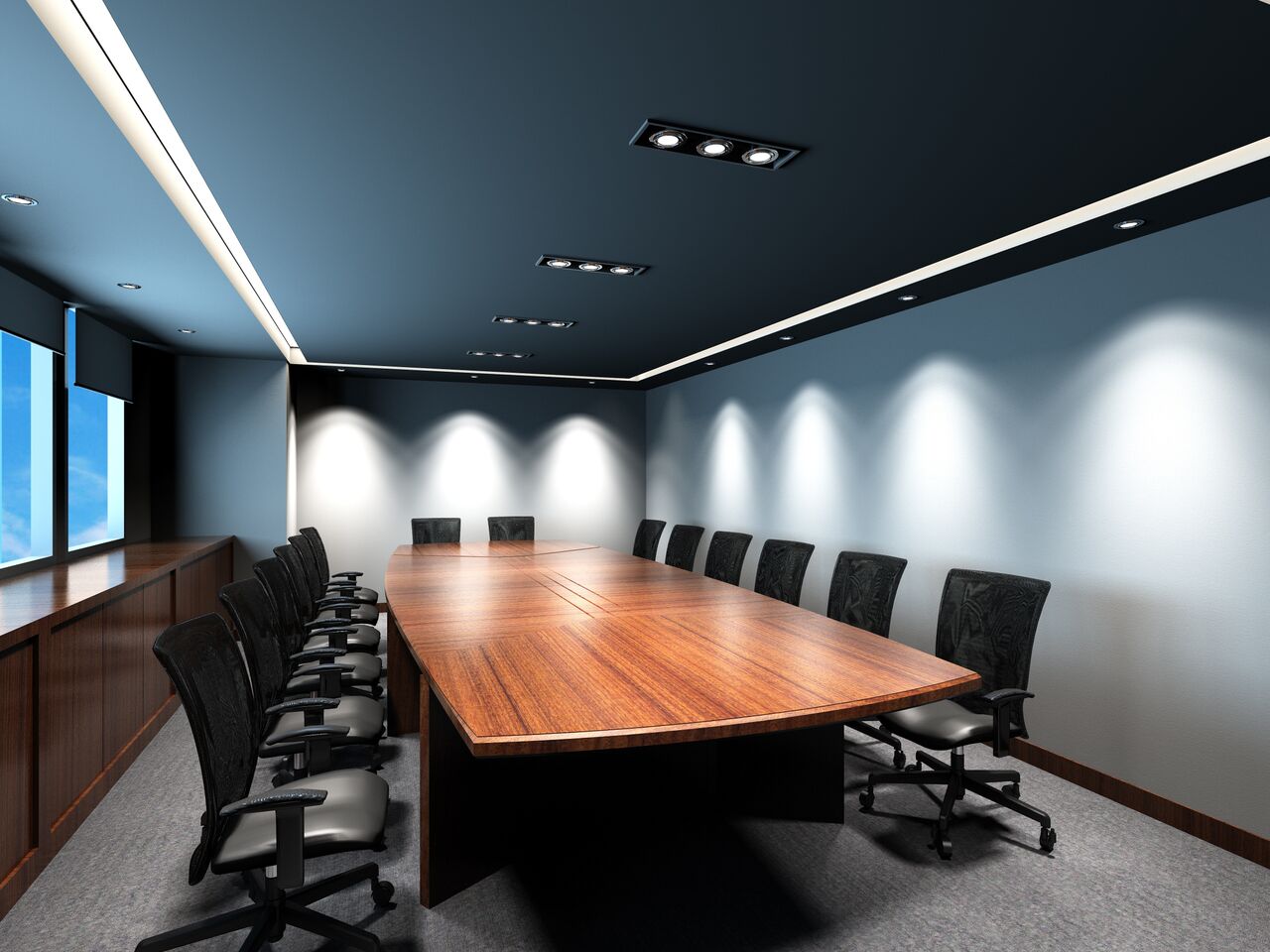
Decorate With Light
If rooms throughout your home are feeling rather lacklustre, one of the most effective ways to improve it is through lighting. A new lighting plan will call for several considerations to be effective. But the culmination of good lighting that adds charm and character to every room will be worth the effort.
ABOUT THE AUTHOR
Ajay Awtaney is the co-founder of Nakashi General Trading LLC, an electrical lighting company in Dubai catering to the needs of clients and projects requiring quality lighting products and solutions. Nakashi General Trading LLC today is an approved vendor of reputable organisations (Jumeirah, Engineering Office, Meraas, Musanadah and Thumbay, to name a few) for supplying lighting products.
(Featured image at top is by yeremia krisnamurti and with permission to be used from Pexels)